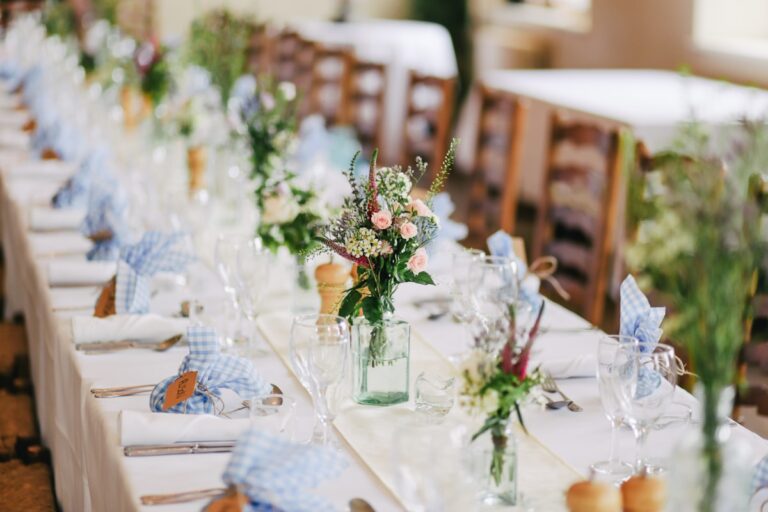
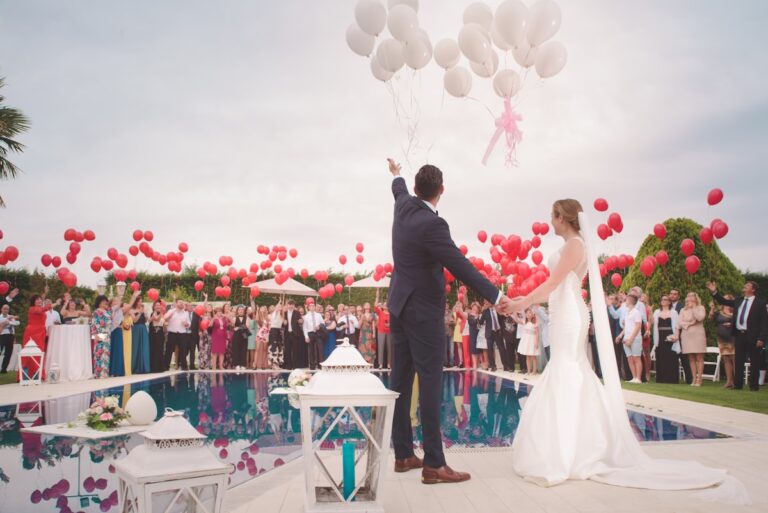
When it comes to planning a wedding, size really does matter – at least, that’s what the latest trends suggest. Micro weddings aren’t just a relic of pandemic restrictions; they are a deliberate choic.According to the Hitched 2025 Wedding Trends report, searches for ‘micro weddings’ are up 22% and align with rising interest in dinner party and garden-party aesthetics. This shift indicates that nearlyweds are keen to trade sprawling guest lists for celebrations that place loved ones front and center.
A micro wedding typically includes fewer than 30–50 guests, creating a warm, personal atmosphere where you can genuinely connect with everyone present. Melissa Hargreaves of Pauntley Court notes that couples are enjoying the ability to spenend with close family and friends rather than rushing through a single busy day6】. By focusing on an intimate group, you can craft a bespoke experience – from handwritten vows to interactive toasts – that resonates with you and your guests.
One of the biggest draws of a micro wedding is the freedom it offers to allocate your budget wisely. With fewer people to cater for, you can splurge on the elements that matter most to you: a meaningful venue, gourmet catering, live entertainment, or luxurious décor. This intentional spending ensures that every aspect of your celebration is a true reflection of your values rather than a compromise dictated by guest numbers. Smaller guest lists also open up unique venues that might not accommodate hundreds – think historic homes, private gardens, boutique hotels or even destination weekends.
Planning a micro wedding also lends itself to creativity. Consider hosting a welcome dinner and farewell brunch to extend the celebration over a weekend, allowing everyone to bond. Incorporate personal touches like handwritten notes at each place setting or a curated playlist that tells your love story. For couples with a strong food focus, a chef’s table or family-style feast encourages conversation and connection. Alternatively, you could choose a themed garden party with lawn games and picnic blankets. The flexibility of a micro wedding means you’re free to break traditions or invent your own.
However, an intimate celebration doesn’t automatically mean easier planning. Guest list decisions can be challenging when you have to be selective, and some loved ones may feel left out. Clear communication is key: be transparent about your reasons for keeping it small and consider hosting a casual party after the wedding to include those who couldn’t attend. It’s also important to work closely with your chosen vendors; many specialise in large events and will need guidance on how to scale their services down without sacrificing quality.
When it comes to planning a wedding, size really does matter—at least, that’s what the latest trends suggest. Micro weddings aren’t just a relic of pandemic restrictions; they’re a deliberate choice for couples who value intimacy, authenticity and meaningful experiences. According to the Hitched 2025 Wedding Trends report, searches for “micro weddings” are up 22% and align with rising interest in dinner-party and garden-party aesthetics. This shift indicates that nearlyweds are keen to trade sprawling guest lists for celebrations that place loved ones front and center.
A micro wedding typically includes fewer than 30–50 guests, creating a warm, personal atmosphere where you can genuinely connect with everyone present. By focusing on an intimate group, you can craft a bespoke experience—from handwritten vows to interactive toasts—that resonates with you and your guests. Couples also appreciate the ability to spend an entire weekend with close family and friends rather than rushing through a single busy day.
One of the biggest draws of a micro wedding is the freedom it offers to allocate your budget wisely. With fewer people to cater for, you can splurge on the elements that matter most to you: a meaningful venue, gourmet catering, live entertainment or luxurious décor. This intentional spending ensures that every aspect of your celebration is a true reflection of your values rather than a compromise dictated by guest numbers. Smaller guest lists also open up unique venues that might not accommodate hundreds, such as historic homes, private gardens, boutique hotels or even destination weekends.
Planning a micro wedding also lends itself to creativity. Consider hosting a welcome dinner and farewell brunch to extend the celebration over a weekend, allowing everyone to bond. Incorporate personal touches like handwritten notes at each place setting or a curated playlist that tells your love story. For couples with a strong food focus, a chef’s table or family-style feast encourages conversation and connection. Alternatively, you could choose a themed garden party with lawn games and picnic blankets. The flexibility of a micro wedding means you’re free to break traditions or invent your own.
However, an intimate celebration doesn’t automatically mean easier planning. Guest-list decisions can be challenging, and some loved ones may feel left out. Clear communication is key: be transparent about your reasons for keeping it small and consider hosting a casual party after the wedding to include those who couldn’t attend. It’s also important to work closely with your chosen vendors; many specialise in large events and will need guidance on how to scale their services down without sacrificing quality.
By focusing on your closest relationships and investing in experiences rather than numbers, micro weddings create a celebration that feels relaxed, luxurious and unforgettable. As searches and interest continue to climb, expect these intimate gatherings to remain a defining trend through 2025 and beyond. If you’re dreaming of a wedding that’s meaningful, personalised and free from the constraints of tradition, a micro wedding might just be the perfect fit.
Related reading
- Micro weddings 2025: intimate celebrations with big impact
- Micro weddings: intimate celebrations for 2025
- Wedding favors: are they really a must for your big day?
Quick takeaway
Micro weddings: intimate celebrations with big impact works best when your choices are practical, intentional, and clearly communicated.
FAQ
What is the most important thing to remember about micro weddings intimate celebrations with big impact?
Focus on decisions that improve guest experience and reduce stress while staying aligned with your budget and priorities.
How can couples make better decisions in this area?
Compare two or three options, review tradeoffs in cost and logistics, and choose the path that supports your long-term goals as a couple.
What to think about before making this choice
When you are looking at micro weddings: intimate celebrations with big impact, it helps to think beyond the quick answer and consider how it affects the bigger wedding experience. The strongest decisions usually balance style with comfort, practicality, and fit. That way, the final choice supports the day instead of creating more decision fatigue.
For many couples, the real value is in the details that make the experience easier to manage. A choice that seems small at first can affect the budget, the guest experience, the timeline, or how relaxed the celebration feels once everything is in motion. Comparing a few realistic options early gives you more confidence and helps you avoid making a rushed decision.
It is also useful to keep your priorities in view. If you want the event to feel effortless, personal, and polished, then the right option is usually the one that supports that goal rather than simply following a trend. In wedding planning, it is often better to choose something that works well in real life than something that looks impressive in theory.
Micro Intimate Celebrations works best when it feels natural in the context of your celebration. That includes checking quality, budget, guest comfort, and how the choice fits with the rest of your plans. The best wedding decisions are the ones that make the day feel more calm, coherent, and memorable.
As you narrow your options, keep coming back to the bigger picture: what kind of day do you want, what do your guests need, and what will still feel right once the excitement fades. The right answer is rarely the most complicated one. It is usually the option that is thoughtful, practical, and true to your priorities.
Quick checklist for this decision
- Compare a few realistic options before committing.
- Check budget, timing, comfort, and guest experience together.
- Choose something that supports the mood of the day.
- Keep your decision tied to what actually matters for your celebration.
When you treat a wedding decision as part of the bigger plan rather than a stand-alone detail, it becomes easier to choose with confidence. That is often the difference between a celebration that looks good on paper and one that feels genuinely good to live through.