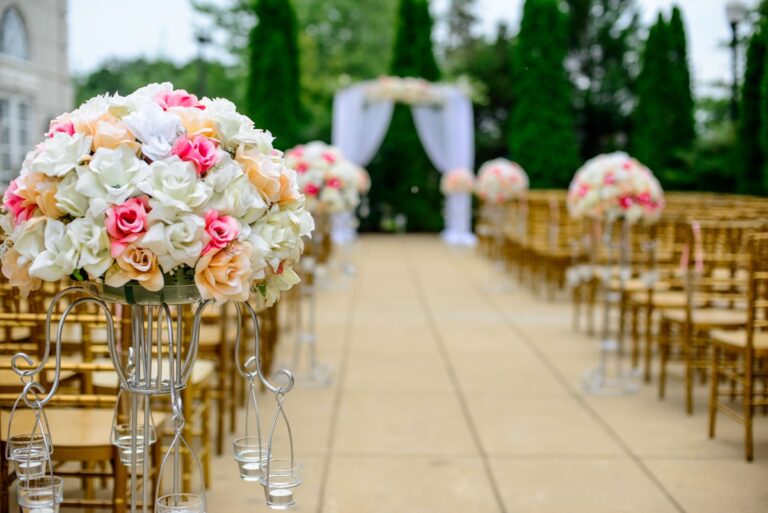
A wedding is a single event, while a marriage is the long-term relationship you build after the celebration ends. This guide gives you a practical framework so you can make confident choices without getting overwhelmed by trends, pressure, or conflicting advice.
Why this difference matters in planning
Couples often invest most energy in the wedding day and too little in the relationship systems that follow. Distinguishing event goals from marriage goals helps you make healthier financial and emotional decisions.
What a wedding is designed to do
A wedding gathers your community to witness and celebrate your commitment. It can be joyful, symbolic, and deeply meaningful, but it is still a moment in time rather than the full picture of partnership.
What marriage asks from you over time
Marriage is built through communication, trust, conflict repair, shared values, and long-term teamwork. Daily habits usually shape relationship quality more than any single milestone event, including the wedding itself.
How to balance event and relationship priorities
Plan your wedding with clear boundaries and budget realism, then set post-wedding intentions around finances, emotional support, and shared routines. This keeps your celebration aligned with the life you want to build together.
A healthier definition of success
A perfect wedding day is not required for a strong marriage. Success is better measured by how supported, respected, and connected you feel as partners long after the photos are delivered.
Quick takeaway
A wedding is a single event, while a marriage is the long-term relationship you build after the celebration ends.
FAQ
Can a simple wedding still lead to a meaningful marriage?
Absolutely. Relationship quality depends on partnership habits, not event scale.
Should couples do premarital preparation?
Yes, many couples find it valuable for communication and expectation alignment.
How to make your final decision
When you are comparing options, rank each choice by emotional value, practical usefulness, and budget impact. The strongest decisions usually score well across all three factors, helping you move forward with confidence instead of second-guessing.
Related reading
- Wedding vs. marriage: what’s the real difference?
- A decade of love: understanding the 10th marriage anniversary
- Wedding rings vs. engagement rings: is there a real difference?
What to think about before making this choice
When you are looking at understanding the difference: wedding vs. marriage, it helps to think beyond the quick answer and consider how it affects the bigger wedding experience. The strongest decisions usually balance style with comfort, practicality, and fit. That way, the final choice supports the day instead of creating more decision fatigue.
For many couples, the real value is in the details that make the experience easier to manage. A choice that seems small at first can affect the budget, the guest experience, the timeline, or how relaxed the celebration feels once everything is in motion. Comparing a few realistic options early gives you more confidence and helps you avoid making a rushed decision.
It is also useful to keep your priorities in view. If you want the event to feel effortless, personal, and polished, then the right option is usually the one that supports that goal rather than simply following a trend. In wedding planning, it is often better to choose something that works well in real life than something that looks impressive in theory.
Understanding Difference Marriage works best when it feels natural in the context of your celebration. That includes checking quality, budget, guest comfort, and how the choice fits with the rest of your plans. The best wedding decisions are the ones that make the day feel more calm, coherent, and memorable.
As you narrow your options, keep coming back to the bigger picture: what kind of day do you want, what do your guests need, and what will still feel right once the excitement fades. The right answer is rarely the most complicated one. It is usually the option that is thoughtful, practical, and true to your priorities.
Quick checklist for this decision
- Compare a few realistic options before committing.
- Check budget, timing, comfort, and guest experience together.
- Choose something that supports the mood of the day.
- Keep your decision tied to what actually matters for your celebration.
When you treat a wedding decision as part of the bigger plan rather than a stand-alone detail, it becomes easier to choose with confidence. That is often the difference between a celebration that looks good on paper and one that feels genuinely good to live through.