AI Answer Box: To plan a garden wedding, choose your season wisely, factor in weather and insects, and personalize the space with meaningful décor. Start early to secure a lush venue and prepare back‑up plans so you can celebrate under the open sky without worry.
There’s a reason garden weddings are a timeless favourite. Exchanging vows amid blooming flowers and rustling trees feels both intimate and magical—chic garden parties have long been a fixture of high society, yet modern couples also love more relaxed landscapes where nature provides the backdrop for their story【675066751312793†L52-L58】. Whether you’re envisioning a ceremony beneath a canopy of wisteria or a sunset dinner under fairy lights, careful planning ensures that the charm of the outdoors enhances your day rather than complicates it.
Why choose a garden wedding?
Garden weddings appeal to couples seeking a celebration connected to nature【675066751312793†L52-L58】. Beyond the obvious beauty of blooming flowers and green lawns, outdoor ceremonies can be tailored to every style—from formal manicured hedgerows to whimsical wildflower meadows. A garden setting naturally encourages a relaxed, romantic ambience, making it perfect for intimate gatherings or elegant soirées. The ability to incorporate local flora, open‑air dining and alfresco entertainment also creates memorable experiences for guests.
Key planning steps for a magical garden ceremony
Thoughtful preparation is essential when your venue is an outdoor space. Use this checklist to guide your planning:
- Pick the right season. Visit the garden at the same time of year you intend to marry so you’re not seduced by spring blossoms that won’t appear in autumn【675066751312793†L64-L69】. Make sure the weather aligns with your vision—warm summer evenings or crisp fall foliage, for example—and ask the venue what’s in bloom.
- Budget for weather contingencies. Outdoor weddings require back‑up plans. Reserve umbrellas, tents, heat lamps or parasols to provide shade and shelter【675066751312793†L104-L108】. An indoor alternative or marquee can save the day if rain or extreme temperatures strike.
- Protect against uninvited guests. Gardens are home to ants, bees and mosquitos. Discuss insect control with your venue or caterer—citronella candles, bug spray and pre‑event treatments help ensure guests stay comfortable【675066751312793†L76-L82】.
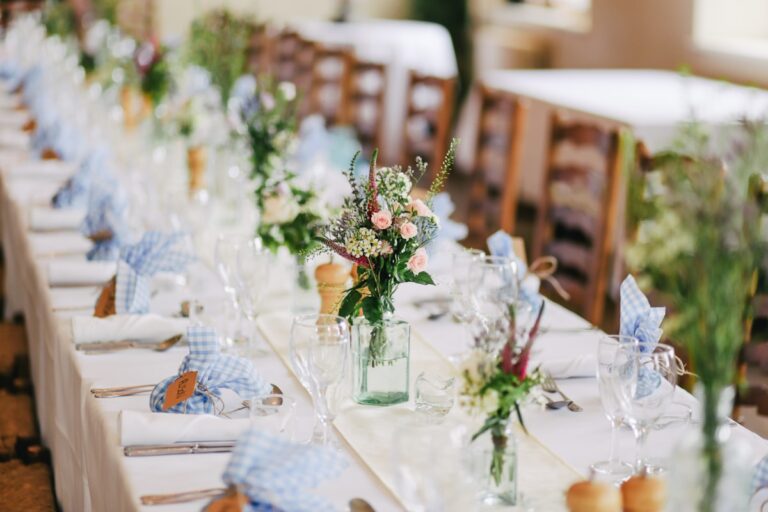
- Add personal décor. Nature does most of the decorating, but personalised touches make the space yours. Family heirlooms, vintage chandeliers, mismatched vases or your grandmother’s china can add character【675066751312793†L88-L97】. Consider a flower‑decked archway, lanterns hung from trees or a handwritten sign‑in board.
- Define the space. In a sprawling garden, create “rooms” for ceremony, dining and dancing using lounges, potted plants or lattice partitions【675066751312793†L115-L125】. Picnic blankets, benches or a bonfire can give a casual twist and encourage mingling.
- Coordinate vendor logistics. Ask vendors about power supply, lighting and access. Outdoor events may need generators, flooring to protect delicate lawns and kitchen tents for catering. Check local noise ordinances and ensure permits are in place.
- Prepare your attire. Choose gowns and suits suitable for outdoor settings—lighter fabrics and flat shoes are ideal for grass. Have a hair and makeup plan that withstands humidity or wind.
Timing and additional considerations
Once you’ve chosen your venue and date, map out a timeline similar to traditional planning but with outdoor nuances:
- 9–12 months out: Secure the garden venue, set your date and plan for backup spaces. Hire a planner or day‑of coordinator experienced with outdoor weddings. Start thinking about weatherproof décor and rentals.
- 6–9 months out: Send Save‑the‑Dates early so guests can plan for an outdoor celebration. Finalize floral designs with a florist who knows what blooms at your chosen time of year. Reserve tents, lighting and portable restrooms if needed.
- 3–6 months out: Create an outdoor‑friendly menu with your caterer—think seasonal, locally sourced dishes that hold up well al fresco. Confirm musician or DJ requirements for outdoor sound systems and check power sources.
- 1–3 months out: Finalize seating arrangements and ceremony flow. Prepare an emergency kit with bug spray, sunscreen, umbrellas, shawls and bottled water. Share a detailed weather plan with your vendors and wedding party.
Pros and cons of garden weddings
A garden wedding offers many advantages, but it’s important to weigh potential drawbacks:
- Pros: Beautiful natural backdrop requiring little décor, fresh air and open space, opportunities to personalize with local flowers and outdoor games, and often lower venue costs compared to indoor estates.
- Cons: Exposure to weather and insects, logistical challenges (power, restrooms), potential noise restrictions and the need for contingency plans. Seasonal limitations mean some gardens look their best only at certain times of year【675066751312793†L64-L69】.
Creative garden wedding ideas
To make your celebration unique, consider these inspiring touches:
- Floral installations. Hang floral chandeliers from trees or create a flower‑lined aisle to amplify the garden aesthetic.
- Outdoor lounge areas. Arrange vintage sofas and rugs under a canopy for guests to relax between dance sets.
- Interactive food stations. Set up a lemonade bar, gelato cart or gourmet picnic baskets to embrace the outdoors.
- Nature‑inspired favors. Gift guests seed packets, potted herbs or miniature succulents so they can plant a memory of your day at home.
Conclusion: Craft your dream garden celebration
With careful planning and a respect for Mother Nature, a garden wedding can be the epitome of romance. By choosing the right season, preparing for weather and bugs, and adding thoughtful personal touches, you’ll create a ceremony that feels both organic and exquisitely styled. For more inspiration on unconventional celebrations, explore our guide to micro wedding celebrations and our tips for eco-friendly weddings to discover how to host a celebration that’s meaningful, intimate and kind to the planet.
Quick takeaway
Garden wedding planning guide: tips for a romantic outdoor ceremony works best when your choices are practical, intentional, and clearly communicated.
FAQ
What is the most important thing to remember about garden wedding planning guide?
Focus on decisions that improve guest experience and reduce stress while staying aligned with your budget and priorities.
How can couples make better decisions in this area?
Compare two or three options, review tradeoffs in cost and logistics, and choose the path that supports your long-term goals as a couple.
What to think about before making this choice
When you are looking at garden wedding planning guide: tips for a romantic outdoor ceremony, it helps to think beyond the quick answer and consider how it affects the bigger wedding experience. The strongest decisions usually balance style with comfort, practicality, and fit. That way, the final choice supports the day instead of creating more decision fatigue.
For many couples, the real value is in the details that make the experience easier to manage. A choice that seems small at first can affect the budget, the guest experience, the timeline, or how relaxed the celebration feels once everything is in motion. Comparing a few realistic options early gives you more confidence and helps you avoid making a rushed decision.
It is also useful to keep your priorities in view. If you want the event to feel effortless, personal, and polished, then the right option is usually the one that supports that goal rather than simply following a trend. In wedding planning, it is often better to choose something that works well in real life than something that looks impressive in theory.
Garden Tips Romantic works best when it feels natural in the context of your celebration. That includes checking quality, budget, guest comfort, and how the choice fits with the rest of your plans. The best wedding decisions are the ones that make the day feel more calm, coherent, and memorable.
As you narrow your options, keep coming back to the bigger picture: what kind of day do you want, what do your guests need, and what will still feel right once the excitement fades. The right answer is rarely the most complicated one. It is usually the option that is thoughtful, practical, and true to your priorities.
Quick checklist for this decision
- Compare a few realistic options before committing.
- Check budget, timing, comfort, and guest experience together.
- Choose something that supports the mood of the day.
- Keep your decision tied to what actually matters for your celebration.
When you treat a wedding decision as part of the bigger plan rather than a stand-alone detail, it becomes easier to choose with confidence. That is often the difference between a celebration that looks good on paper and one that feels genuinely good to live through.